

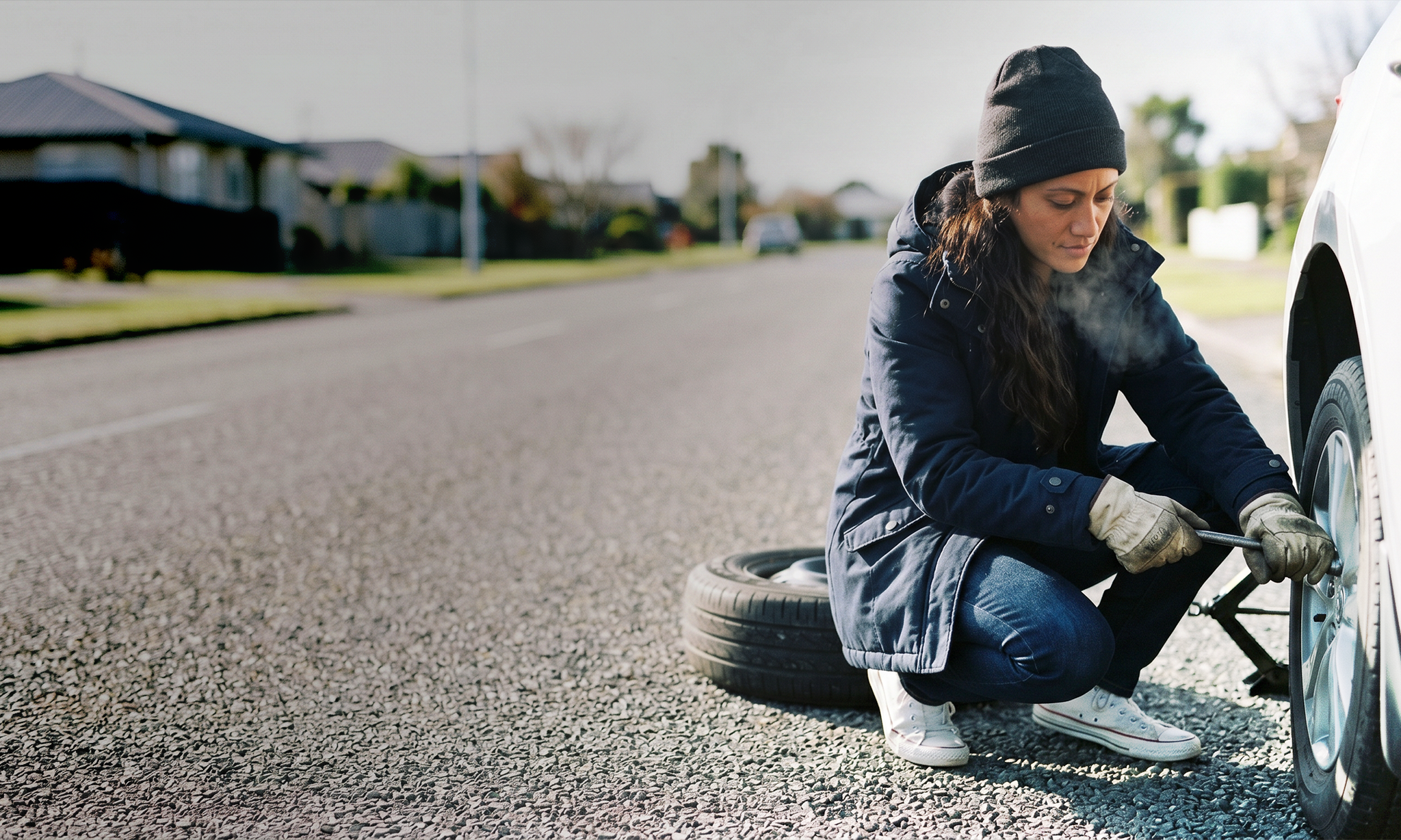
Have you got an old faithful sitting in the driveway that has perhaps become a little less reliable over the years? Many of us drive cars that have become almost part of the family. We’ve had holidays in them, driven to important events in them, and they’ve just been there to get us safely to where we needed to be.
We often don’t really think about the cost of running a car until it becomes a problem. If your car is getting a bit older, it may be generating a few more expensive bills than it once did, and that can be more noticeable in winter.
Winter worries
While there’s never a great time for a car to break down, there’s something particularly uncomfortable about it happening in the middle of winter. Whether it’s a dark morning and you’re trying to get to work, or you’re stuck on the side of the road in the rain, it feels a little harder to deal with car trouble when the weather isn’t on your side.
Winter can also exacerbate other problems, such as tyre issues that become apparent in wet-weather driving, a heater or demister that’s on the blink, or leaks that leave your car smelling musty. It could even just be the additional budget pressure of a car that’s a bit thirsty when it comes to petrol, on top of everything else already adding to the cost of living.. Shorter days may also make it more important that you can commute reliably, so no one is stranded in the dark.
This isn’t just a financial issue – there’s often emotional impacts and mental stress of having a car that doesn’t do what you expect – and need -it to. There may be flow-on effects if you can’t get where you need to be for work or school.
You might not face one big bill. It might be a battery this month, new tyres next month and a warning light that pops up on your dashboard the following month. A slow drip of smaller expenses can add up over time and wear you down.
If car repairs are continually costing you, it may also make it harder to budget for other things, when you end up depleting your emergency fund too often.
Holding on won’t always make sense
Many New Zealand families keep their vehicles for quite a long time and delay upgrading, and that is often an appropriate and financially sensible thing to do. Cars can depreciate quickly, and you may get more of a return from driving an older vehicle than buying new.
Sometimes, simply reassessing your vehicle situation can reduce pressure. Maybe you opt for more proactive maintenance, change how you use your vehicle or even consider a replacement.
It may get to the point where it’s more expensive to keep an existing vehicle running and on the road than it would be to trade it for something newer and more reliable.
Not knowing what your next vehicle bill will be can really dent your financial confidence and affect your quality of life. Trading up and formalising the financial cost of a new vehicle could potentially turn out to be the lower-stress option.
Like to chat?
If it comes time to upgrade your vehicle, you might be wondering about taking a personal loan. At better finance™️, we’re experts when it comes to all types of personal lending, and can help you find a vehicle loan that fits your situation and circumstances.
Disclaimer: Please note that the content provided in this article is intended as an overview and as general information only. While care is taken to ensure accuracy and reliability, the information provided is subject to continuous change and may not reflect current developments or address your situation. Before making any decisions based on the information provided in this article, please use your discretion and seek independent guidance.


-1.png?width=360&name=Better%20blog%20images%20(19)-1.png)
-1.png?width=360&name=Better%20blog%20images%20(3)-1.png)