

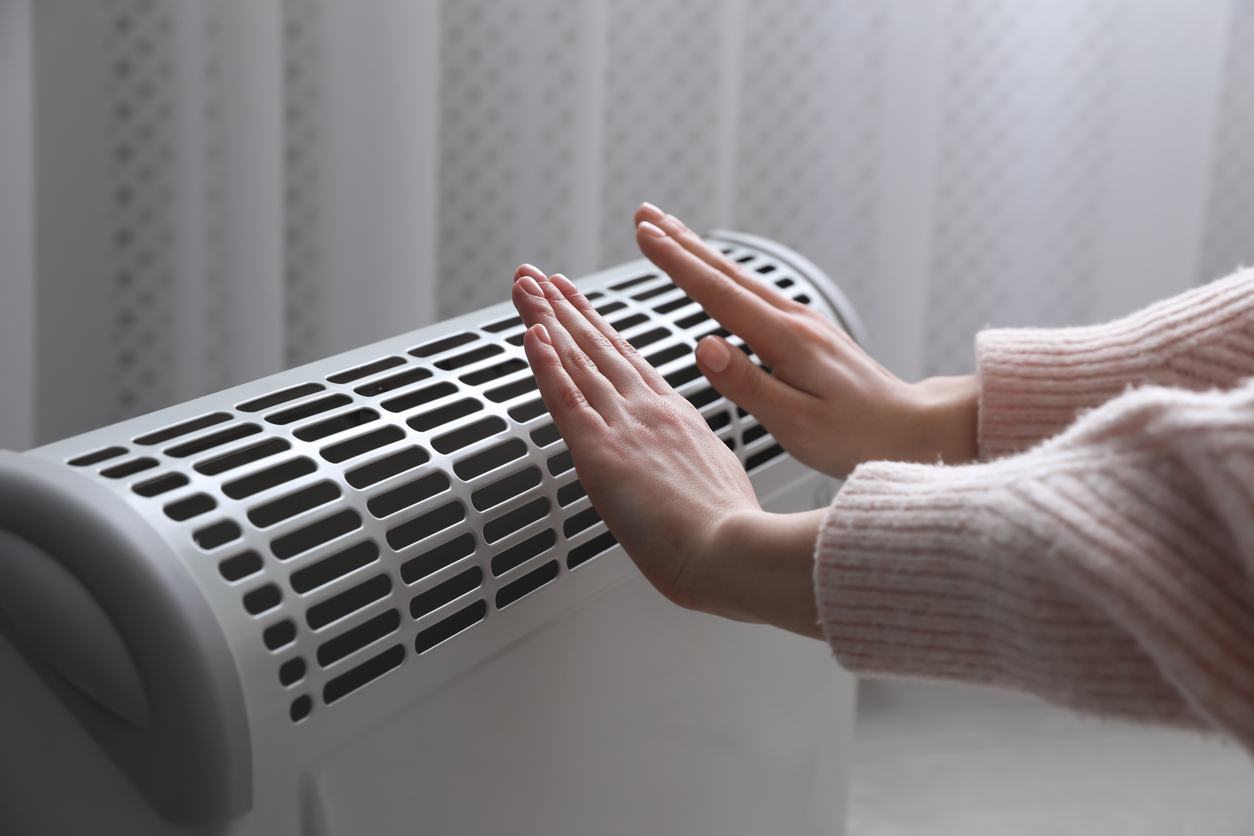
Winter doesn’t always hit your budget all at once. Your dryer is running more often, your heat pump is on for a few extra hours, and maybe you’ve popped in to pick up some pre-emptive vitamin C from your local pharmacy.
Costs can slowly mount through the cooler months but knowing how you might plan for them can make a big difference to how you’ll feel about your money heading into spring. For lots of households, additional costs don’t come in one big surprise bill.
More often, they add gradually, slowly building pressure over time. You might have to get new tyres for your car because you’re commuting more and the wet roads mean you need to be extra careful. You might need to buy new jackets and jumpers for school for your children. It might just be a bill to fix a leak that turns up after a few days of heavy rain, or to replace a car battery on a cold morning.
It’s nothing dramatic, and many of these costs are normal parts of life, and in fact necessary things to spend money on. But when a range of additional costs all arrive within a few months, it can make a difference to your overall financial picture, even without you really realising.
What can you do to reduce the pressure?
You may be able to offset the winter spending increase in a few ways. Household finances often feel more under control when they’re more predictable, so you know what’s coming, you have more visibility of what you’re spending on, and there’s less pressure and urgency around them.
To do this, you might try planning for seasonal costs that you know are likely to occur, such as those that pop up for your vehicle about the same time every year. You could schedule a review of recurring household expenses, so you know what is likely to be required. Some households that encounter large power bills in winter choose to pay more in the summer months to smooth out the effect. If that doesn’t suit you, you might just think about putting some money aside for the more expensive times of year.
When you know that large purchases or expenses are coming, it may help to try to space them out where possible. Annual expenses have a habit of all falling at the same time in lots of cases, perhaps because they happen around the anniversary of when you moved into your house or bought a vehicle. If you can arrange them so they’re more spread out, it may help.
Sometimes just a regular check-in and review can make you feel more confident and in control. Financial pressure often mounts slowly and incrementally but it’s often the case that small changes can really make a difference, too.
Want to talk?
Seasonal costs can add up over winter, but it’s nothing to be alarmed about. If you’re feeling financial pressure through the cooler months, you’re not alone. The team at better finance™️ can help with any queries you may have about personal lending.
Disclaimer: Please note that the content provided in this article is intended as an overview and as general information only. While care is taken to ensure accuracy and reliability, the information provided is subject to continuous change and may not reflect current developments or address your situation. Before making any decisions based on the information provided in this article, please use your discretion and seek independent guidance.


-1.png?width=360&name=Better%20blog%20images%20(19)-1.png)
-1.png?width=360&name=Better%20blog%20images%20(3)-1.png)